Thredbo vs Perisher 2026
Share
Perisher is Australia's largest ski resort. It's also not the better resort for snowboarding. Those two things can both be true.
The "biggest" argument gets used a lot in the Thredbo vs Perisher debate, usually by people who haven't thought carefully about what biggest actually means for a snowboard trip. Perisher covers 1,245 hectares and runs 45 lifts. Thredbo covers 480 hectares and runs 14. By those numbers, Perisher wins easily.
By most of the numbers that matter for a snowboarder, Thredbo does.
Terrain and vertical: where Thredbo pulls clear
Thredbo has the largest vertical drop of any resort in Australia - 672 metres, from a base of 1,365m up to a peak of 2,037m. Its longest run, the Supertrail, measures 5.9 kilometres end to end. These aren't vanity stats. More vertical means longer, more sustained runs. The Supertrail gives you a real chance to build speed, commit to carving turns, and actually ride a line rather than managing a series of short pitches.
Perisher's terrain across its four linked areas - Perisher Valley, Blue Cow, Smiggin Holes, and Guthega - is more sprawling than vertical. You get variety and more beginner terrain spread across the mountain. What you don't get is Thredbo's run length or its upper mountain steepness. Perisher's terrain works well for intermediate riders who want variety. For advanced snowboarders who want to push at speed or hunt steeper lines, Thredbo is the destination.
Perisher also has more beginner terrain proportionally - around 22 percent of marked trails are graded beginner. Thredbo runs around 16 percent. If you're taking someone completely new to the sport, Perisher's beginner areas are more spread out and there's more of them.
Lifts and crowds: the counterintuitive one
Perisher runs 45 lifts. Thredbo runs 14. On paper, Perisher should have the crowd problem solved. In practice, it doesn't work that way.
Thredbo's lift system is higher-capacity and faster per lift than Perisher's overall network. Despite having fewer chairs, Thredbo moves a comparable number of riders per hour and generates noticeably shorter queues on most days. School holiday crowds at Thredbo are manageable. School holiday crowds at Perisher can turn a decent morning into a queue-management exercise by 10am.
This matters for snowboarding specifically because time on the hill versus time in a queue is a different equation on a snowboard than on skis. Snowboarders tend to ride longer continuous runs and lap fewer times per day than skiers. At Thredbo, a longer run with a faster lift cycle gives you more actual riding in a day. At Perisher, shorter pitches plus busier lifts often means more waiting relative to riding.
The exception: Perisher's four linked areas mean you can move across the mountain to find quieter zones when one area gets busy. That flexibility is real and useful on peak days. On a less busy midweek day, it matters less.
Terrain parks and halfpipe
Thredbo has the stronger park setup. It runs a 22-foot halfpipe, a 13-foot mini pipe in the Cruiser area built for progression, and a park lineup that includes jumps at multiple sizes plus a solid selection of boxes, rails, and jibs. The resort partnered with Stomping Grounds Projects to develop a Superpipe and 65-foot jump specifically for athlete development ahead of the 2026 Winter Olympics. That infrastructure filters down to the general public park and lifts the overall quality of what's on offer.
Perisher has a terrain park. It doesn't match Thredbo's halfpipe offering. If you're a park rider or you're working on pipe progression, Thredbo is the call.
Pricing in 2026
Both resorts have moved heavily toward pass-based ticketing, which changes the walk-up price picture significantly. If you're buying in advance or committing to a pass, the per-day cost is much lower than the walk-up rate.
Walk-up day tickets for 2026: Perisher starts around $193 for an adult on a standard day, peaking at $253 during school holidays. Thredbo starts around $157 on standard days, peaking at around $259 during peak periods. Perisher's base walk-up rate is higher. Thredbo's peak-day rate is comparable.
Accommodation cost differences between the two resorts are a more meaningful variable for most trips than the lift ticket gap. Thredbo's village accommodation tends to be more expensive than staying in Jindabyne and accessing Perisher via the Skitube. If you're doing multiple days, factor accommodation into the full cost picture rather than comparing lift tickets alone.
Getting there
Thredbo is accessed by road only - the Alpine Way from Jindabyne, about 35 kilometres. Road conditions can be challenging in heavy snow or ice. A 4WD or chains is required during snowfall.
Perisher has the Skitube - a rack-and-pinion railway from Bullocks Flat near Jindabyne that runs directly to the resort in about 30 minutes. This is a genuine advantage for groups without a suitable vehicle, families with a lot of gear, or anyone who doesn't want to deal with driving in mountain conditions. The Skitube ticket is purchased separately and the frequency is good enough to make it a reliable option for day trips.
The 2026 season: what the forecast means for your choice
BOM's current seasonal outlook points toward possible El Nino development for winter 2026. Translate cautiously - early-season modelling shifts, and a neutral or weak El Nino doesn't mean a write-off season. What it can mean is lower snow depths at base elevation and more variable conditions, particularly at the lower-altitude areas of Perisher.
In a lower-snowfall season, Thredbo's higher base elevation and greater vertical become more of an advantage. Snow quality on the upper mountain tends to hold better at 2,037 metres than at Perisher's lower terrain. If the season does run lean, Thredbo is the safer bet for consistent conditions.
Both resorts have confirmed their 2026 opening for 6 June, subject to conditions.
Who Thredbo is wrong for
Thredbo is the wrong choice for families with very young children who are just starting to learn. Perisher's beginner terrain is more extensive, more spatially separated from faster traffic, and generally more forgiving for absolute first-timers. If the primary goal of the trip is getting two kids through their first lesson and not terrifying them, Perisher's learner setup is better.
Thredbo is also the wrong choice if you're specifically trying to cover as much varied terrain as possible across a week. Perisher's four linked areas give you more to explore geographically, and some riders find that variety more interesting than Thredbo's more concentrated terrain. If you're the type of rider who wants to see every corner of a resort, Perisher gives you more to look at.
Who Perisher is wrong for
Perisher is the wrong choice if you're primarily a snowboarder chasing long, sustained runs, steep pitches, and quality park time. The terrain doesn't reward the way Thredbo's does for that style of riding. You'll spend more time managing flatter link sections between areas and less time on the kind of continuous vertical that makes snowboarding satisfying.
Perisher is also the wrong choice on peak school holiday weeks if crowds are a concern. The lift system, for all its numerical advantage in chair count, gets genuinely busy in a way that Thredbo manages better.
The verdict
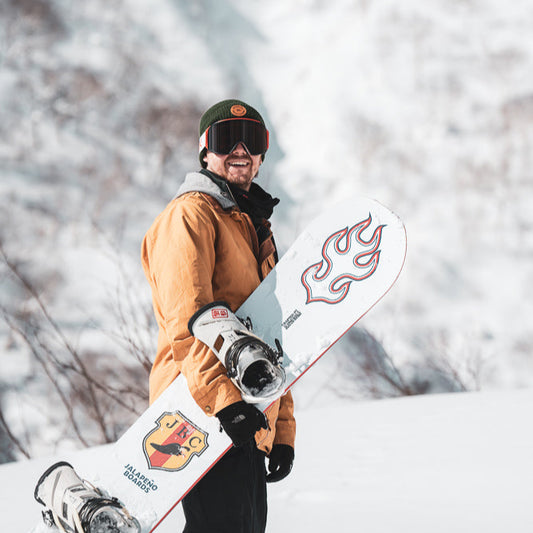
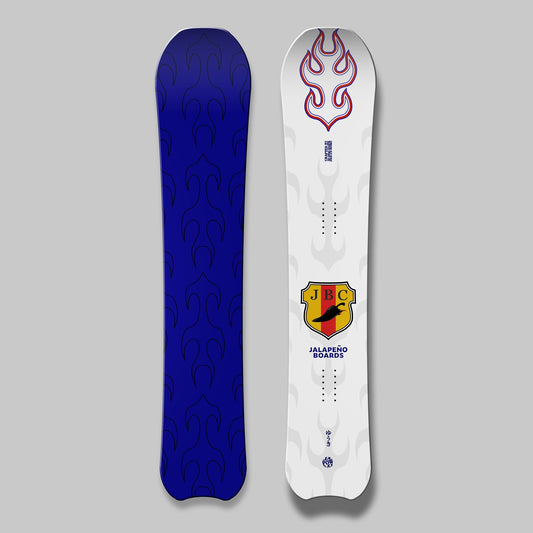
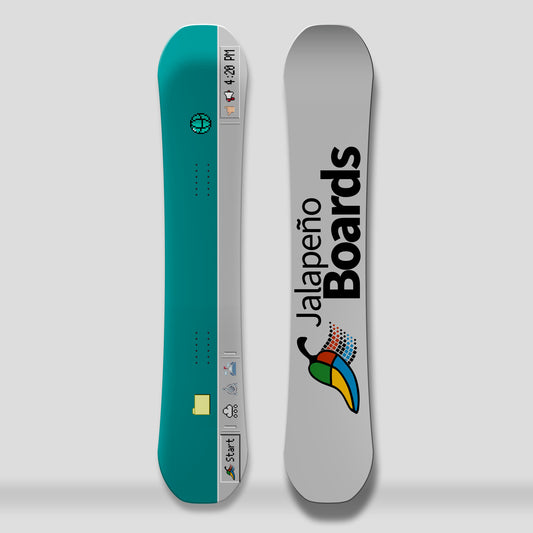
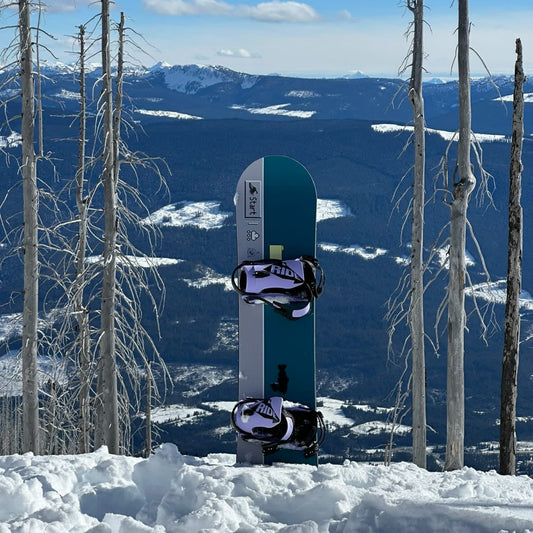
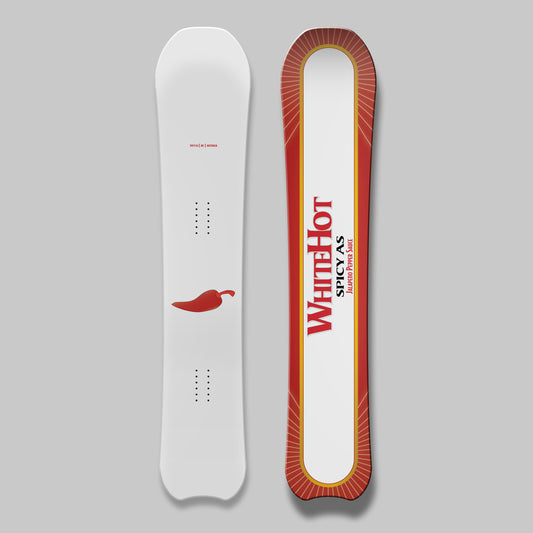
For a snowboarder choosing between the two: Thredbo. The vertical, the run length, the park infrastructure, and the crowd management all favour it for riding quality. Take the Jalapeno95 if you're on an all-mountain setup - the Supertrail will remind you why board selection matters.
Perisher wins for families with beginners, for riders who specifically value terrain variety, and for anyone who wants the Skitube rather than driving up the Alpine Way.
The biggest resort isn't always the best one. At these two, it usually isn't.